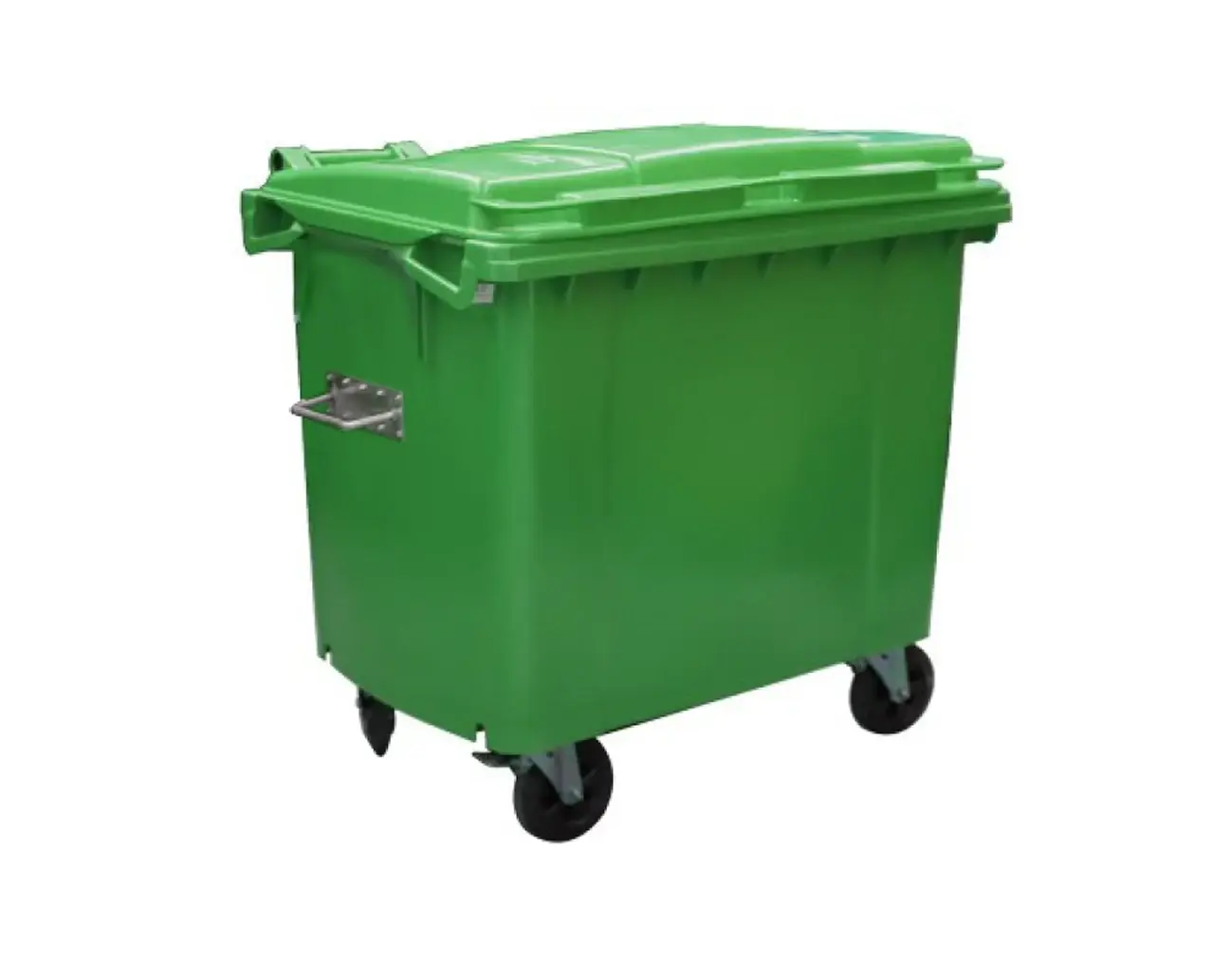
Recycling Stations
Urban Furniture
Separation units for paper, plastic, metal and glass — for municipal recycling schemes.
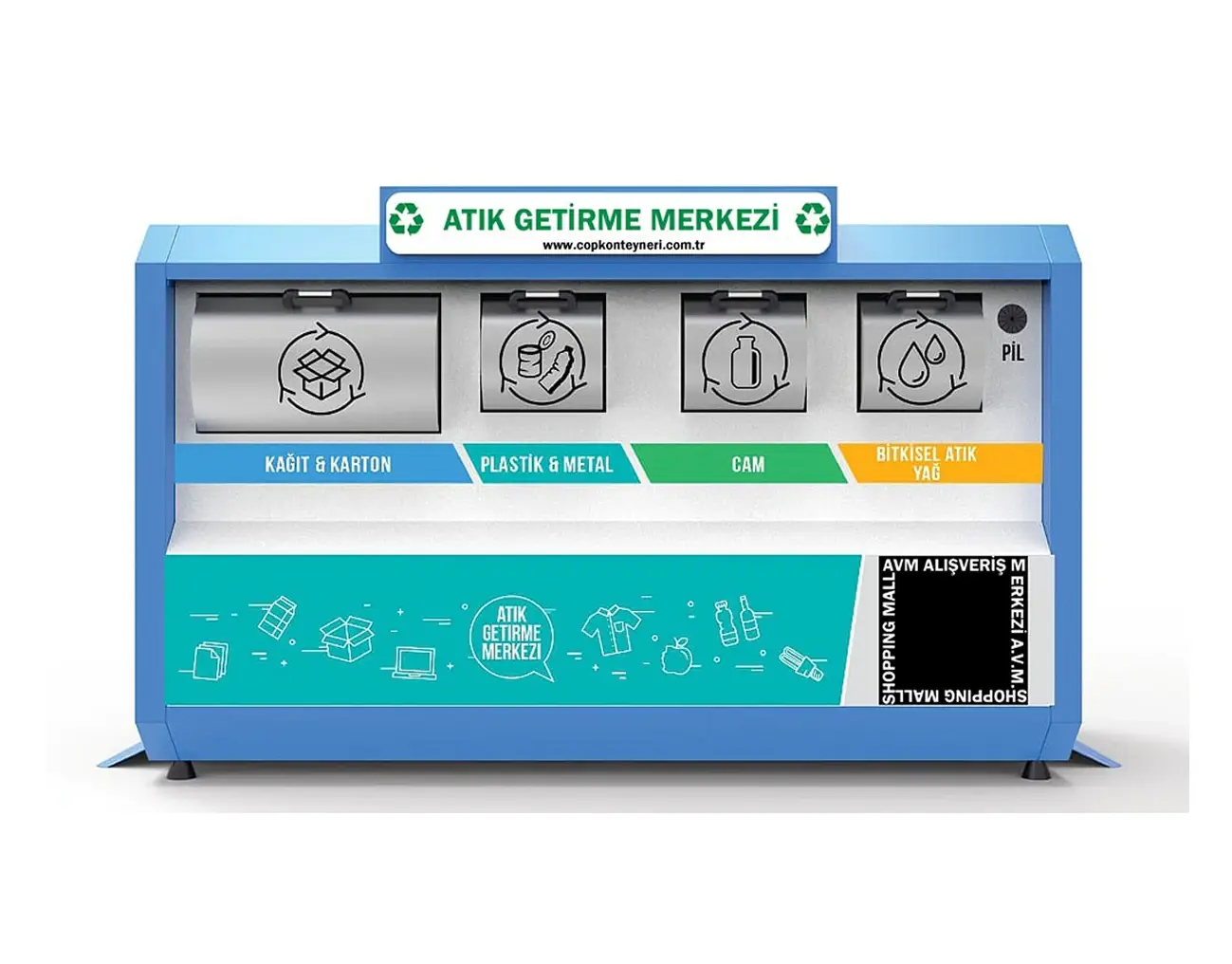
Recycling stations are multi-compartment units for separating recyclables at source. The catalogue holds 5 models, with dedicated sections for paper and card, plastic, metal and glass. Bodies are electrostatically powder-coated steel; where timber is used, surfaces are protected with water-based paint.
These units do not replace ordinary litter bins — they are planned alongside them. The two do different jobs: bins take mixed waste, are distributed across a site and sit at the pause points along pedestrian routes, while recycling stations go in smaller numbers at collection points people deliberately walk to with accumulated waste. Where a neighbourhood has ten bins, it will have far fewer stations.
Position is the single factor that decides whether this product works. For a station to be used it has to sit on people's daily route — residential and apartment entrances, car park exits, neighbourhood squares, the surroundings of shops and markets. A unit placed off that route, uphill or in an unlit corner simply goes unused; the waste goes into the nearest mixed bin and the separation scheme stops working in practice.
The second determinant is collection logistics. The collection vehicle must be able to pull up beside or behind the unit, emptying must be possible without blocking the road, and the compartments must be reachable by one person. Where those conditions are missing, emptying slips, compartments stay full and waste starts being left around the unit. Siting should therefore be decided together with the cleansing team.
Clear visual differentiation between compartments matters. Users do not stand and read at length; colour coding, a picture of the waste type and the shape of the aperture should convey at a glance what goes where. Apertures should suit the waste type too — narrow for glass and plastic bottles, wide for cardboard. Where the distinction is not understood, compartments get mixed and the benefit of separation disappears.
The glass compartment deserves separate thought. The noise a bottle makes on landing becomes a complaint when a unit stands close to housing, so units with a glass section should sit some distance from building façades. Glass compartments also fill more heavily than the others, and emptying frequency should be planned accordingly.
The first months after installation decide whether separation takes hold. Residents need time to learn which waste goes in which compartment, and during that period compartments get mixed. For estate managements and local authorities the practical approach is to pair installation with a short piece of communication and to watch the compartments over the first few weeks. Where separation is not working, the problem usually lies not in the unit but in its position or in the absence of that communication.
When choosing sizes and compartment counts, weigh the number of users as well as the expected waste volume. In most developments, smaller units spread across more points achieve higher use than a few large ones — because what matters is not capacity but how many steps a resident has to take.
Installation requires fixing the unit to the ground; it is anchored against tipping and displacement, and the base beneath must drain. Maintenance means cleaning the interior surfaces and the area around the apertures regularly, watching paint integrity on metal surfaces, and keeping labels and pictograms legible. A faded or missing label quietly ends the unit's ability to separate anything. Send us a sketch of your site for compartment counts, size options and a siting plan.
Recycling Stations
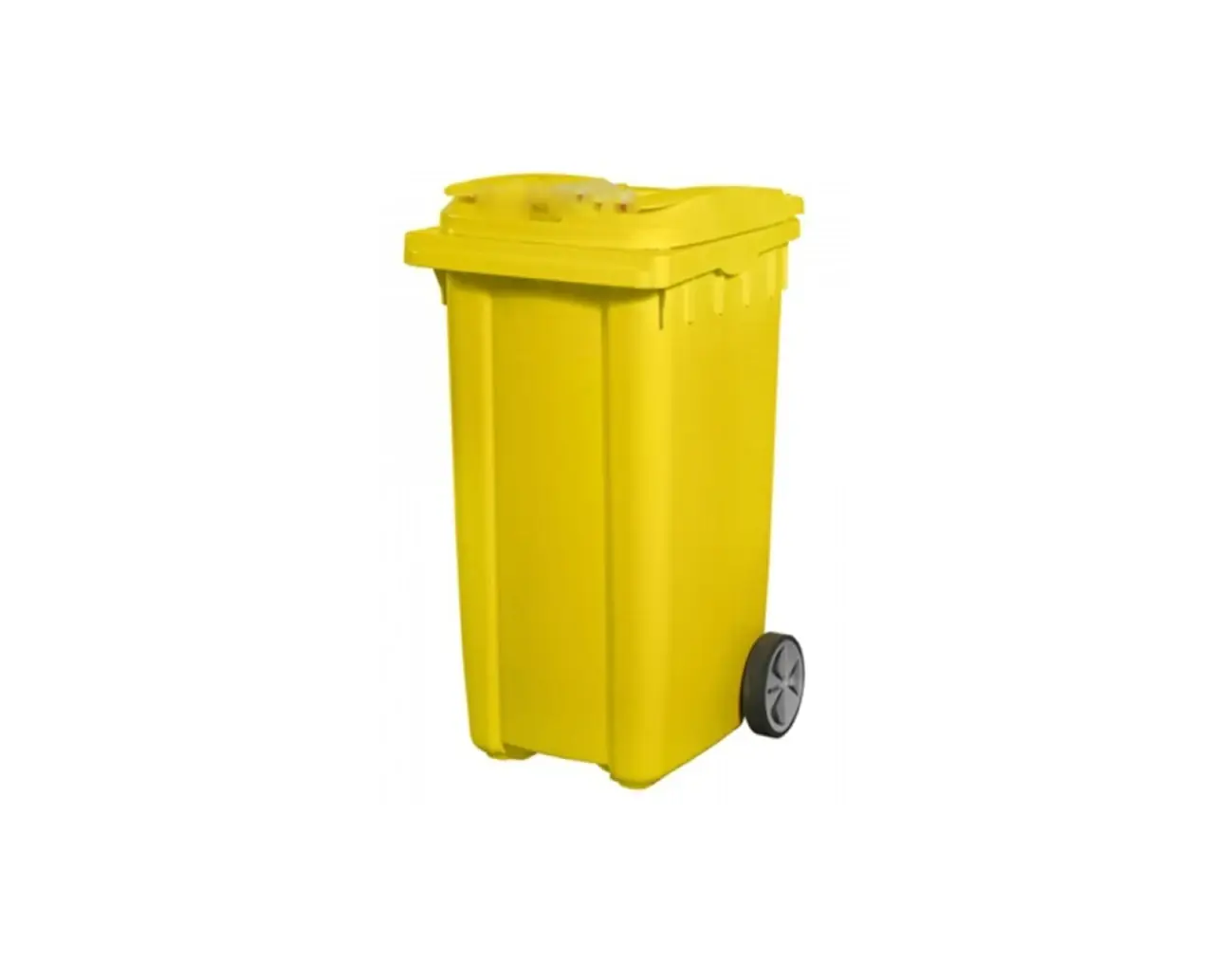
Recycling Stations
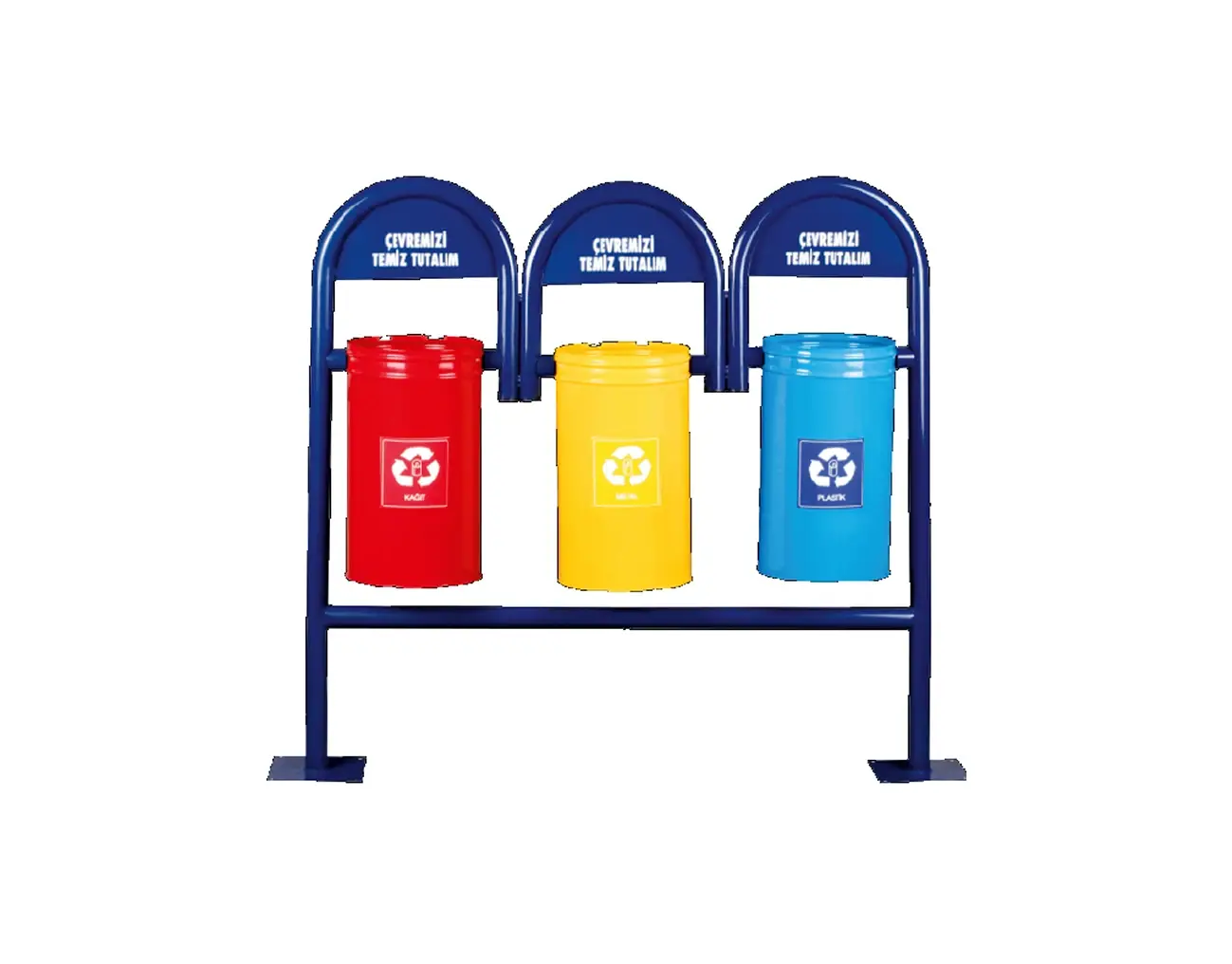
Recycling Stations
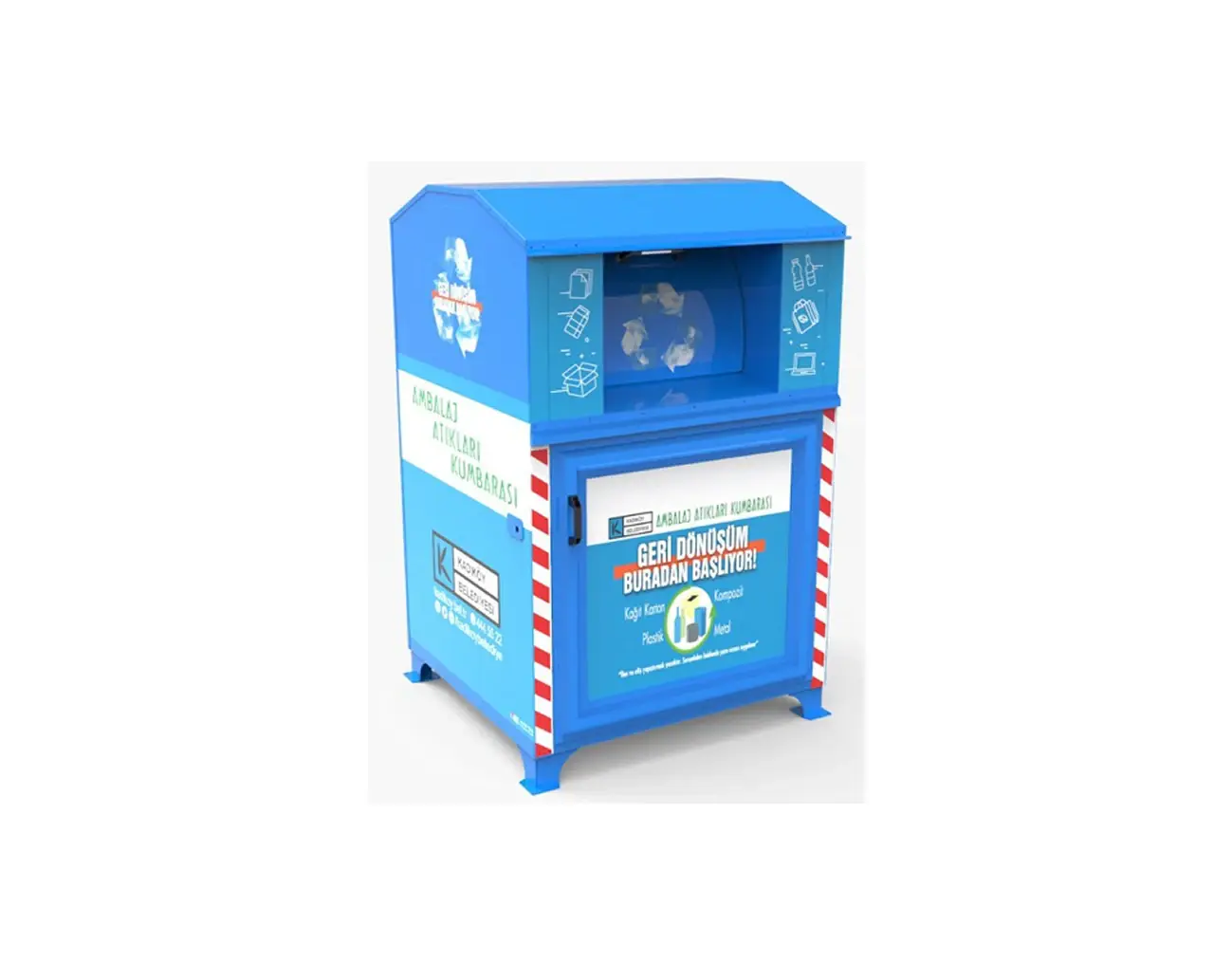
Recycling Stations
Recycling Stations
We would like to use analytics cookies to understand how the site is used. The site works the same if you decline. Details