Park Benches
Urban Furniture
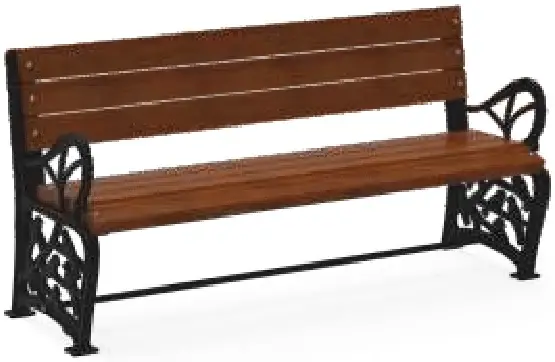
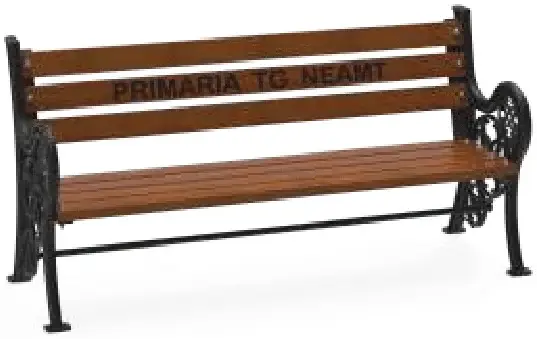
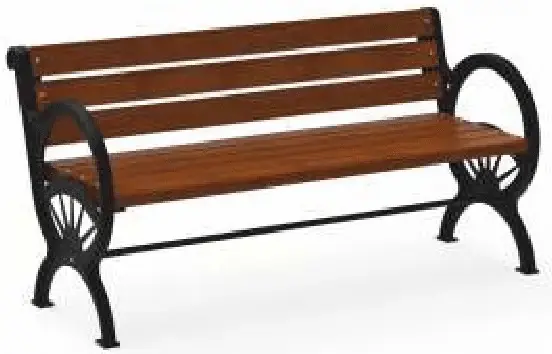
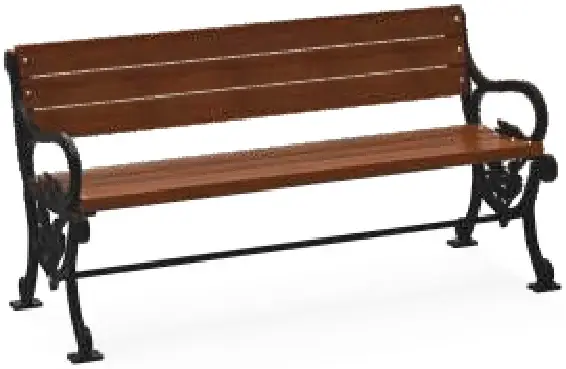
Timber park benches with cast-iron or metal frames — 161 × 55 cm standard size, built for outdoor conditions.
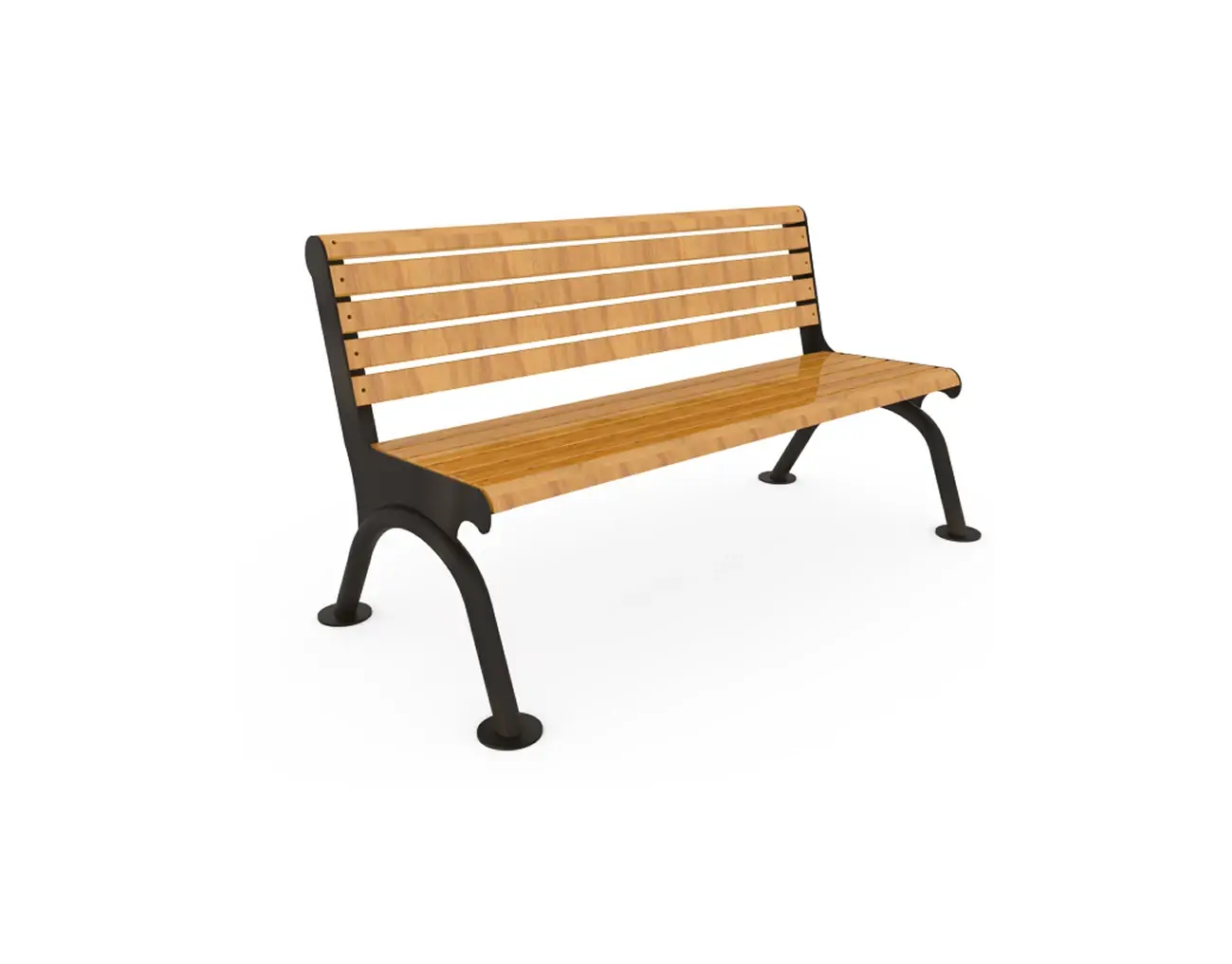
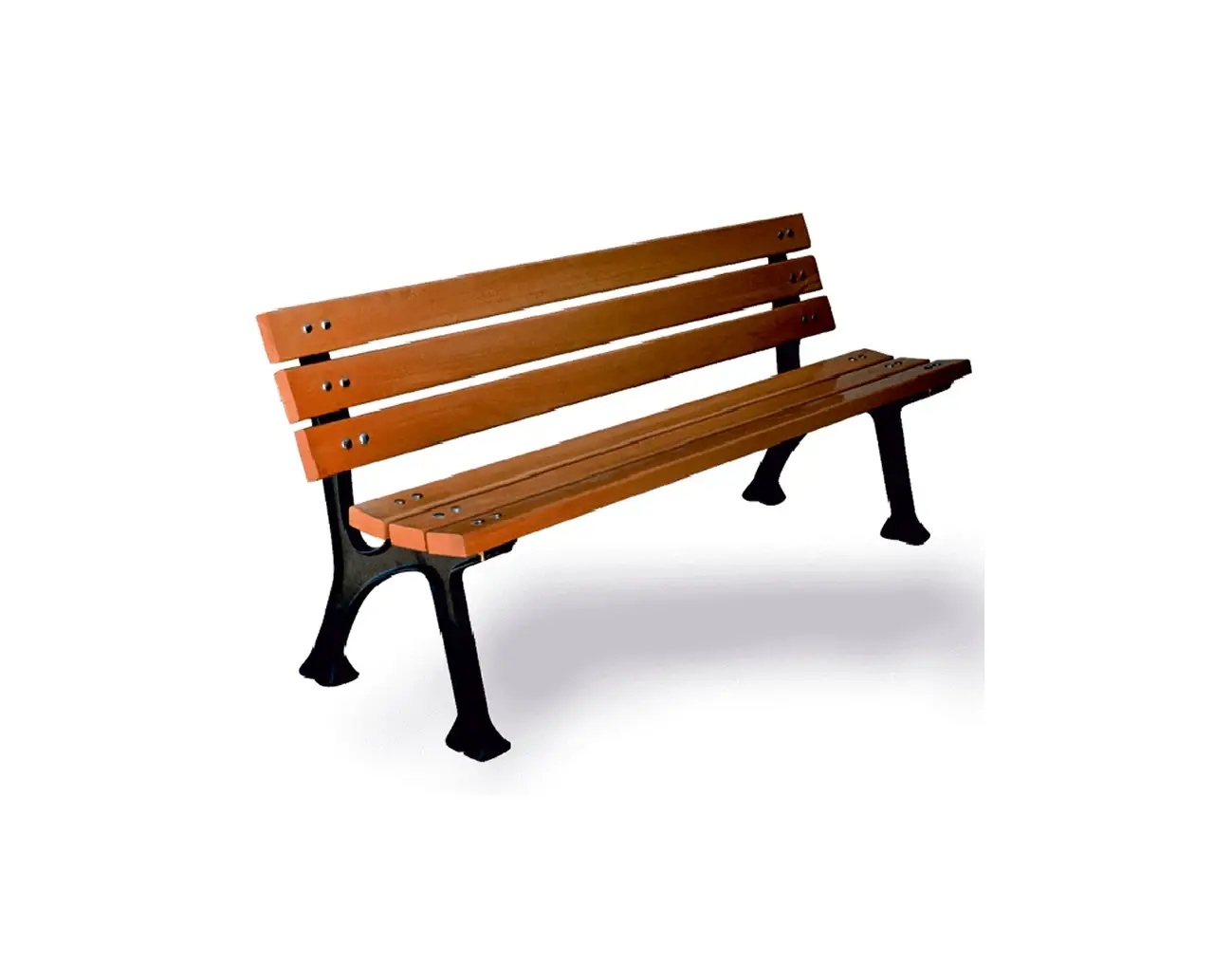
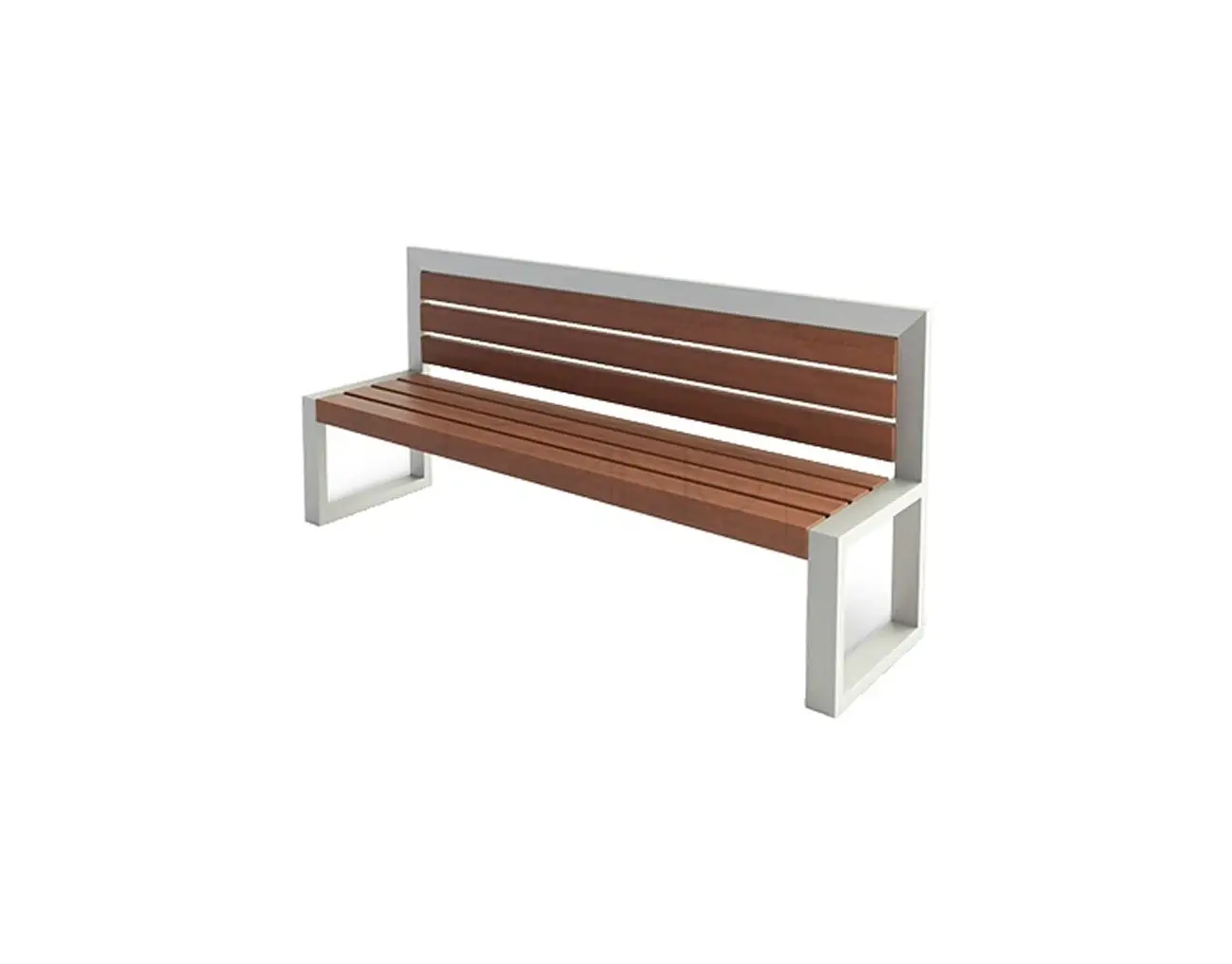
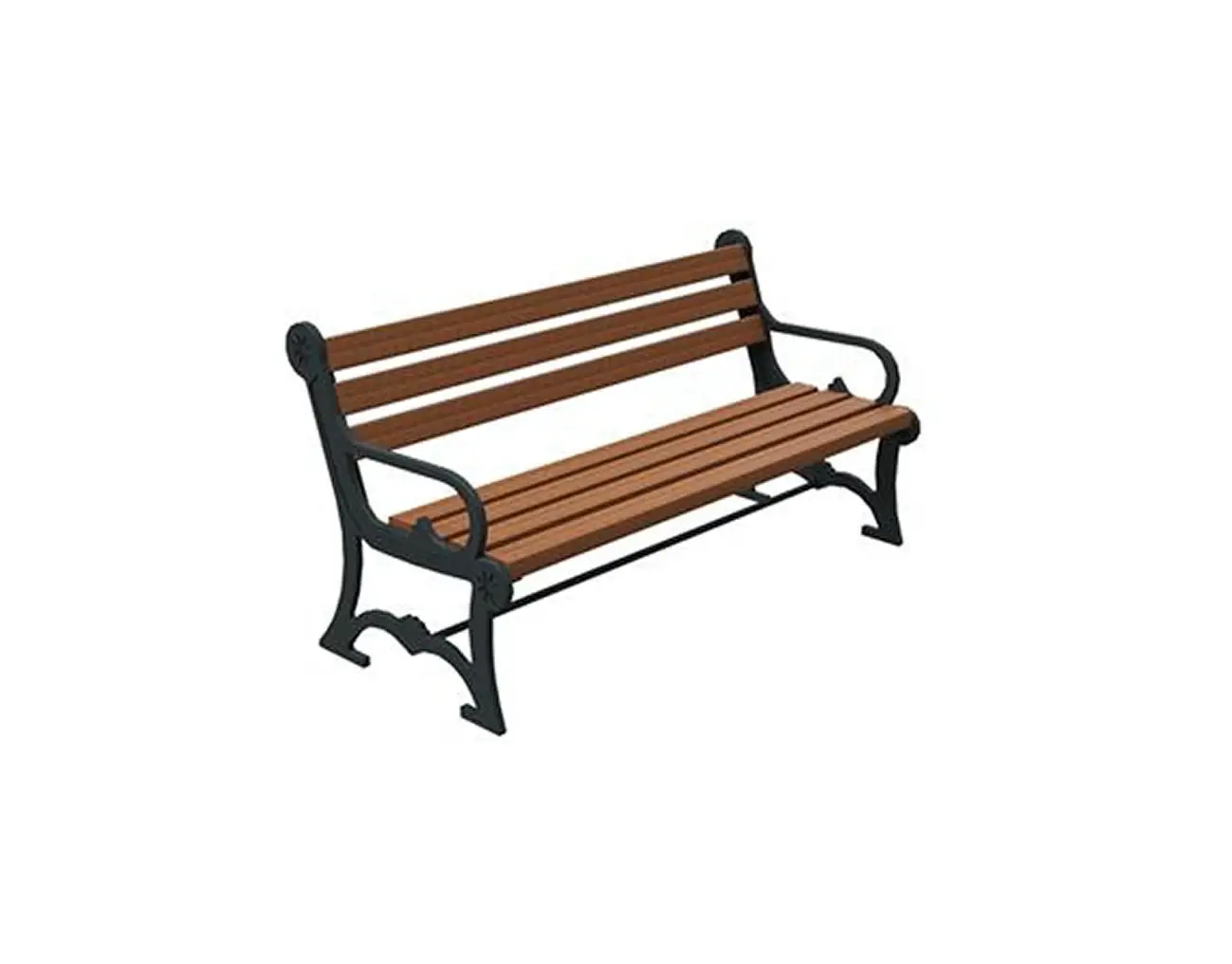
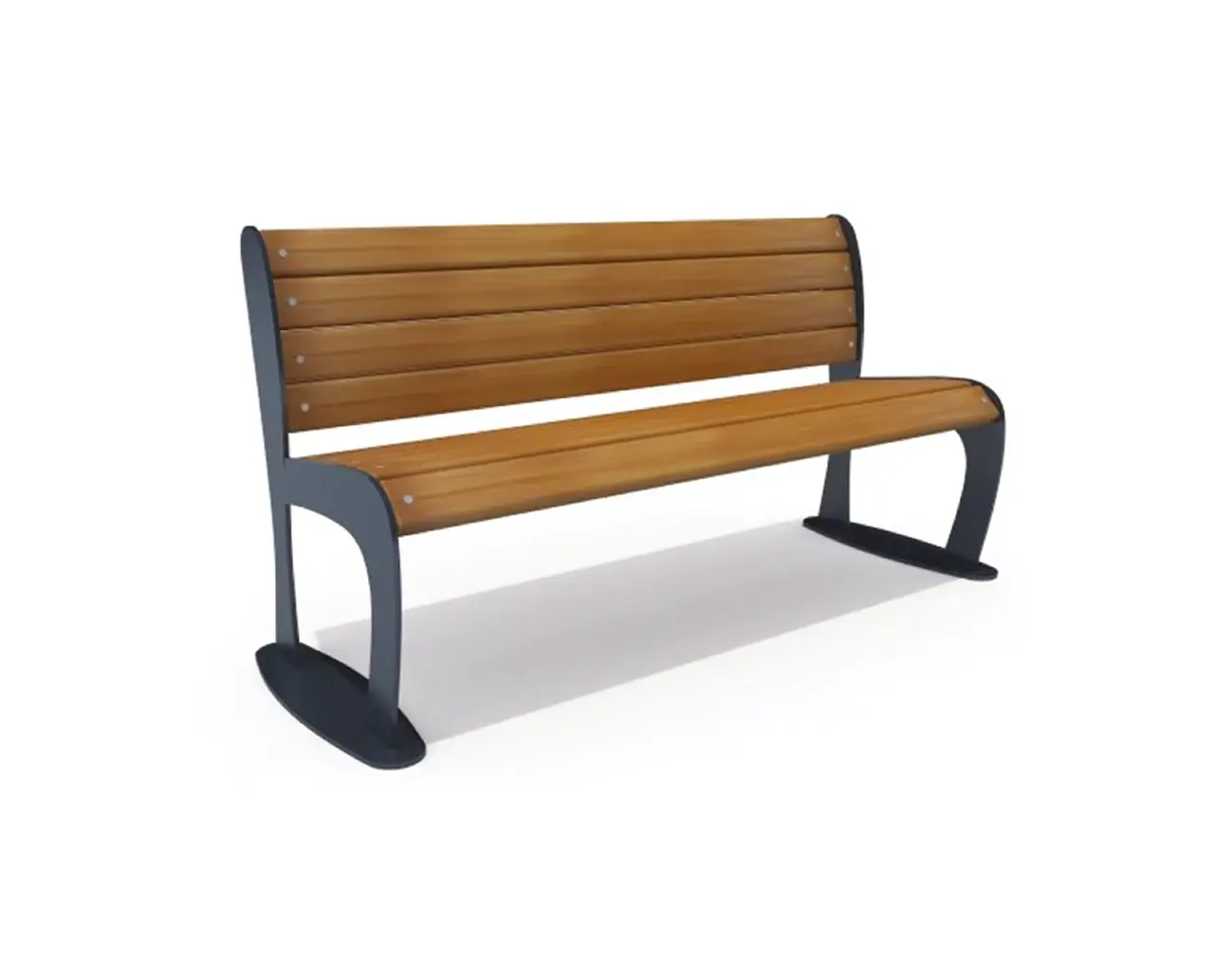
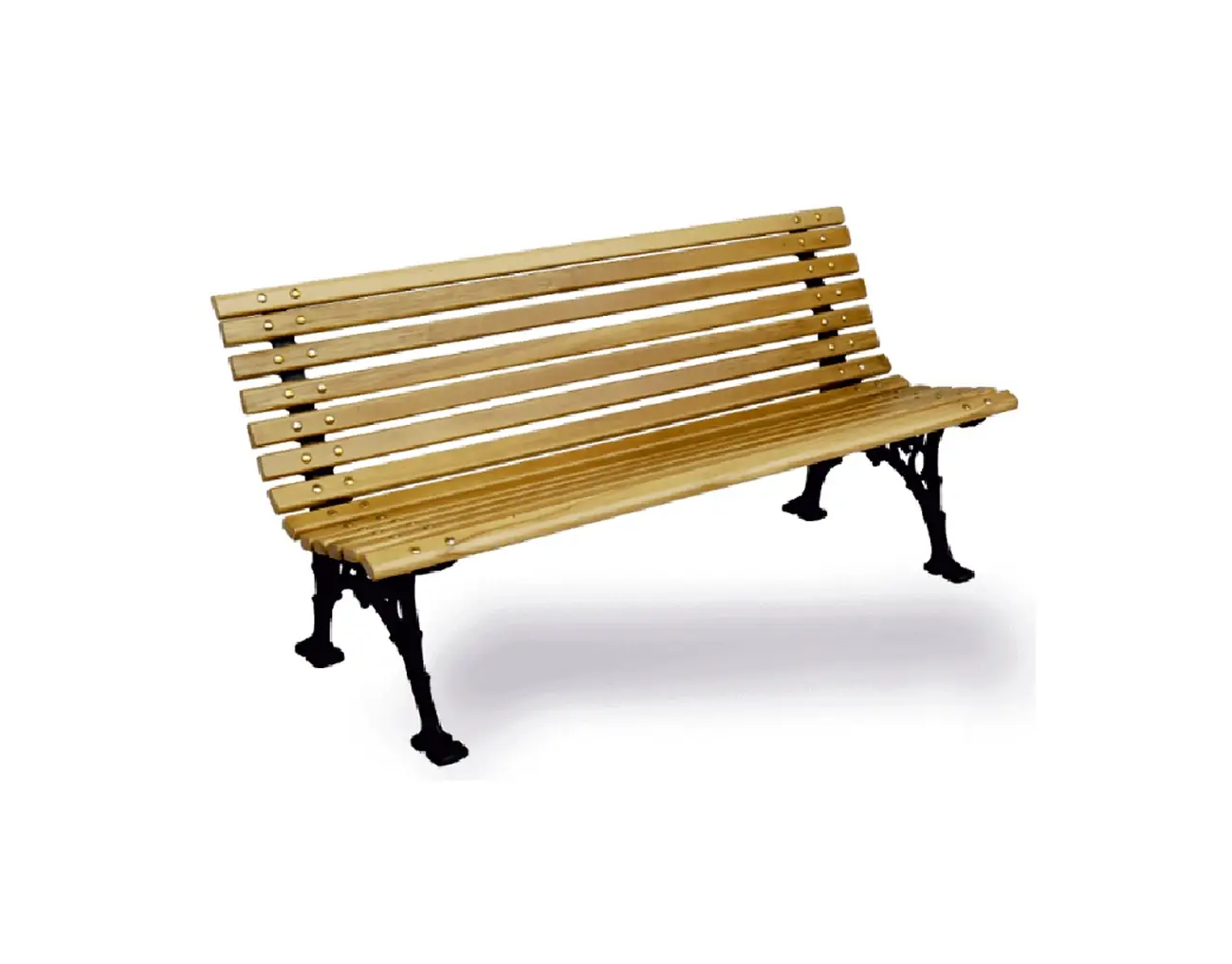
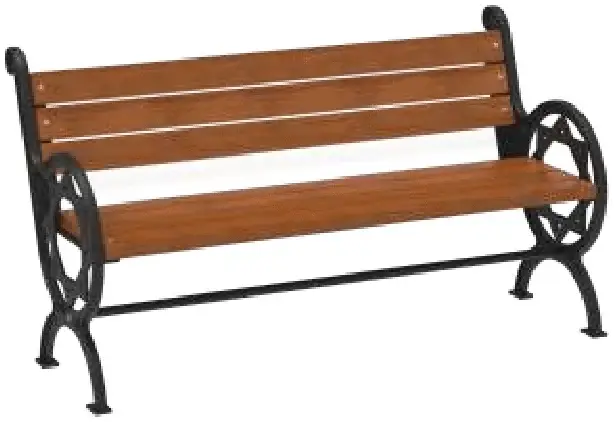
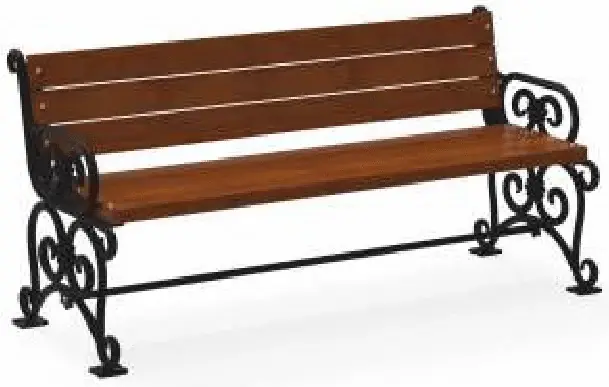
The bench is the most basic piece of urban furniture. The catalogue holds 12 models. Seats and backs are impregnated timber and the legs are cast iron or profiled steel, with all metalwork electrostatically powder-coated. Classic benches measure 161 × 55 cm as standard.
Timber and metal are combined for practical reasons. A timber surface stays at a temperature you can sit on outdoors — an all-metal bench is unusable at midday in summer and cold in winter. Metal, meanwhile, outlasts timber as a structural element and copes better with moisture where the legs meet the ground. That division of labour is what makes a bench both usable and durable.
What decides whether a bench gets used is not its design but its position. A bench in full sun stands empty through the summer; site it against existing trees, and plan shade where there are none. Benches belong at the edge of a walking route rather than on it, because nobody wants to sit in the middle of a through path. A bench facing a wall goes unused; one facing a view, a square or a play area gets used. And a bench with an open back and people passing behind it makes people uneasy — planting, a wall or a change of level behind it is preferable.
Benches beside a children's play area deserve separate thought. An arrangement that lets a parent sit and watch raises the usage of both the play area and the bench. In that case the bench goes just outside the equipment's safety area, facing it — never inside.
Model choice follows the architectural character of the site. Ornate cast-iron classics suit historic quarters and traditional park layouts; clean-lined models on profiled legs suit newer developments, campuses and business districts. Backless models work for short pauses and busy through-points, while models with backrests suit longer stays.
Numbers and spacing form part of the plan too. Along a pedestrian route, benches belong at natural pause points rather than at even intervals: junctions, places where a view opens up, the stretch that falls into shade, the edge of a play area. Keeping the gaps along a long route within reason, so that older users can rest, directly affects who ends up using the space.
Benches are fixed to the ground at installation. Anchoring prevents both tipping and displacement, which matters more on slopes and in wind-exposed positions. Unfixed benches drift from their intended position over time and end up encroaching on the walking route. Groundwork, transport and assembly are carried out by our own team.
Maintenance is light, but neglect shows quickly. The protective coating on timber surfaces needs periodic renewal, at intervals that depend on climate and shorten on the coast and in strong sun. On metalwork, paint integrity is what to watch, since corrosion begins at scratches and impact points. Fixing tightness and anchor points are checked seasonally. Send us a sketch of your site and we will work out bench numbers and positions with you.
Published dimensions of 6 models. Dimension tables for all series →
| Product Code | Model | Width | Depth | Height |
|---|---|---|---|---|
| PM-21 | PM 21 Park Bench | 161 cm | 55 cm | — |
| PM-22 | PM 22 Park Bench | 161 cm | 55 cm | — |
| PM-23 | PM 23 Park Bench | 161 cm | 55 cm | — |
| PM-24 | PM 24 Park Bench | 161 cm | 55 cm | — |
| PM-25 | PM 25 Park Bench | 161 cm | 55 cm | — |
| PM-26 | PM 26 Park Bench | 161 cm | 55 cm | — |
Park Benches
Park Benches
Park Benches
Park Benches
Park Benches
Park Benches
We would like to use analytics cookies to understand how the site is used. The site works the same if you decline. Details