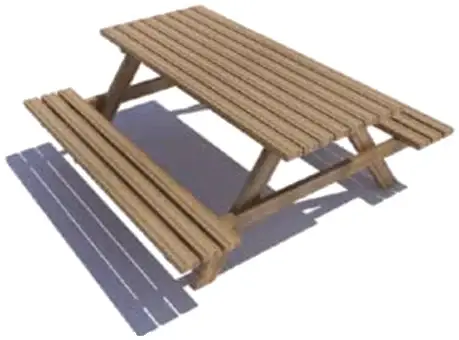
Urban Furniture
Picnic Tables
Timber and metal picnic tables — circular, roofed and classic bench types, from 145 cm to 280 cm.
Picnic tables are combined table-and-bench units for recreation grounds, park rest points, campuses and shared residential spaces. The catalogue holds 12 models. Metalwork is electrostatically powder-coated and timber surfaces are protected against weathering.
The difference between a bench and a picnic table is dwell time. A bench serves short pauses; a picnic table keeps people for hours. That is not a small distinction where ownership of a space is concerned — an area that is regularly used and cared about is also easier to maintain, because faults are noticed early and the space does not sit empty. For municipalities, the picnic table is the item that makes a recreation ground actually work.
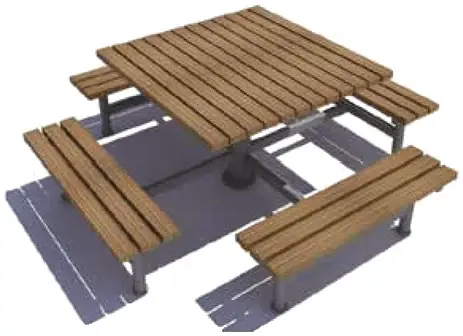
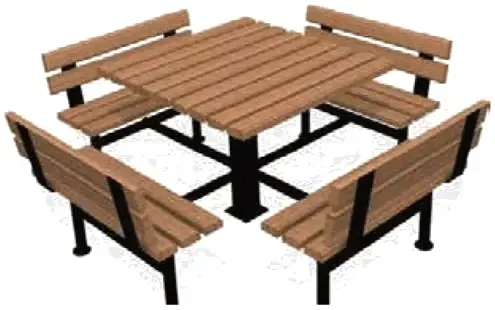
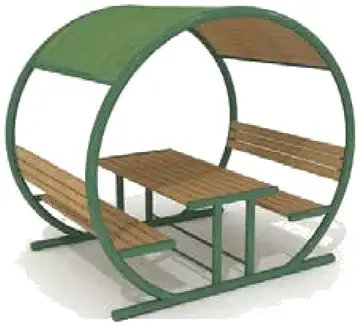
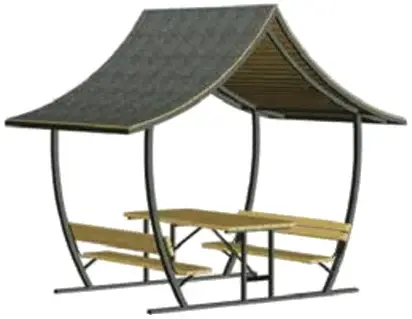
Dimensions span a wide range. Compact models are 145 × 160 cm, mid-sized ones 180 × 160 cm and 180 × 180 cm, and the large groups 280 × 280 cm. Table height on the classic models is 75–78 cm. On circular and roofed models the overall height rises to 220–275 cm; the roofed model has a 250 × 180 cm layout and the circular one 200 × 150 cm. Choose group size by how many people will sit at once, not by total expected visitors.
Configuration also drives the choice. Classic rectangular models give facing seating and can be lined up into a long table, which is what schools, campuses and factory dining areas usually want. Circular models seat people all around and put everyone in view of each other. Roofed models provide shade and keep the table dry — in areas without a shade tree, that is the only way the table stays usable through the summer.
Three things decide siting. First, shade: a table in full sun stands empty in the middle of the day. Second, proximity to a litter bin — people eat at these tables and generate waste, and if the bin is far away the waste stays on the table. Third, proximity to a tap or water point, which in picnic grounds determines the order in which tables fill up. Since the seating is fixed and there are no chairs, leave enough room behind seated users to walk past.
Accessibility is skipped in most projects. Where the benches are fixed to the table, a wheelchair user cannot pull up to it; if a site has several tables, it is worth leaving at least one end without a bench or choosing a model configured for it. This needs to be specified at the project stage.
Tables should be fixed to the ground at installation; their weight may look sufficient against tipping, but they still shift, and on slopes they slide. The base must drain properly — a table should not sit in a hollow where water collects. In maintenance, protective coatings on timber are renewed periodically, paint integrity is watched on metalwork, and fixing tightness is checked seasonally. The timber tabletop wears faster than other furniture because people eat on it, and warrants more frequent review. Send us a sketch of the site and the number of users you expect, and we will settle table sizes and quantities with you.
Picnic Tables dimensions
Published dimensions of 8 models. Dimension tables for all series →
| Product Code | Model | Width | Depth | Height |
|---|---|---|---|---|
| PM-01 | PM 01 Picnic Table | 180 cm | 160 cm | 78 cm |
| PM-02 | PM 02 Picnic Table | 145 cm | 160 cm | 75 cm |
| PM-03 | PM 03 Picnic Table | 180 cm | 180 cm | 78 cm |
| PM-04 | PM 04 Picnic Table | 145 cm | 160 cm | 75 cm |
| PM-05 | PM 05 Picnic Table | 280 cm | 280 cm | 75 cm |
| PM-06 | PM 06 Picnic Table | 280 cm | 280 cm | 75 cm |
| PM-07 | PM 07 Picnic Table | 200 cm | 150 cm | 220 cm |
| PM-08 | PM 08 Picnic Table | 250 cm | 180 cm | 275 cm |
Picnic Tables models
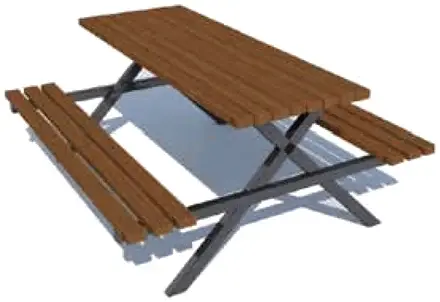
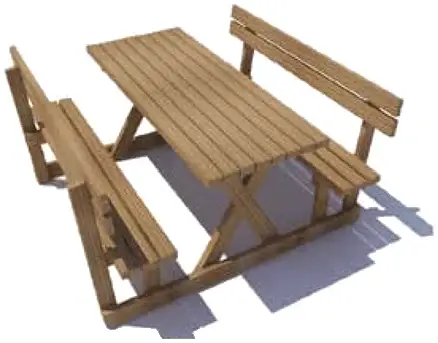
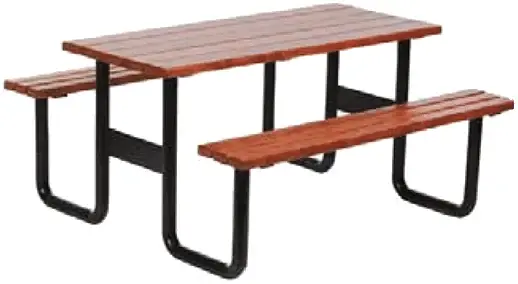
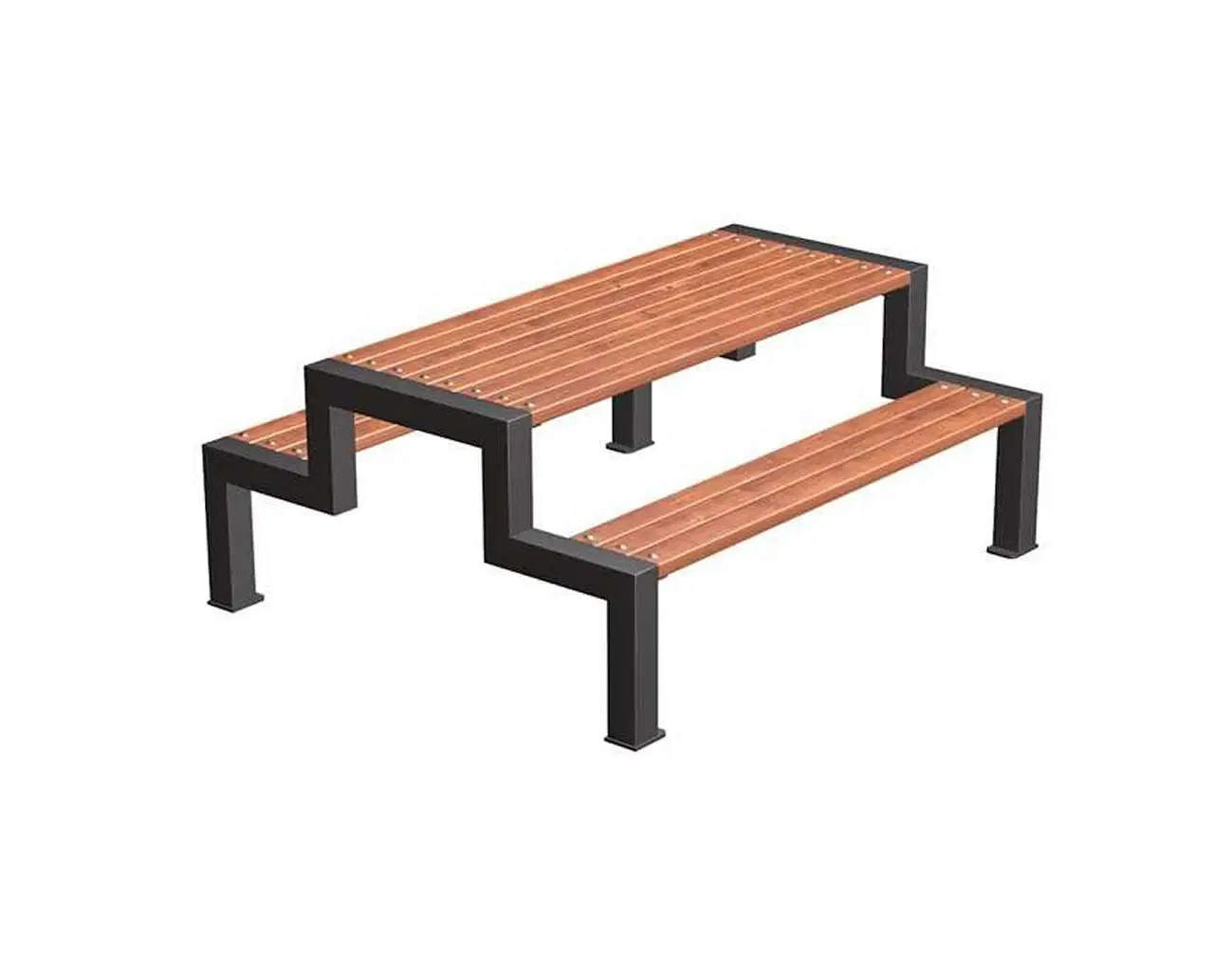
Picnic Tables
KNT 34 Picnic Table
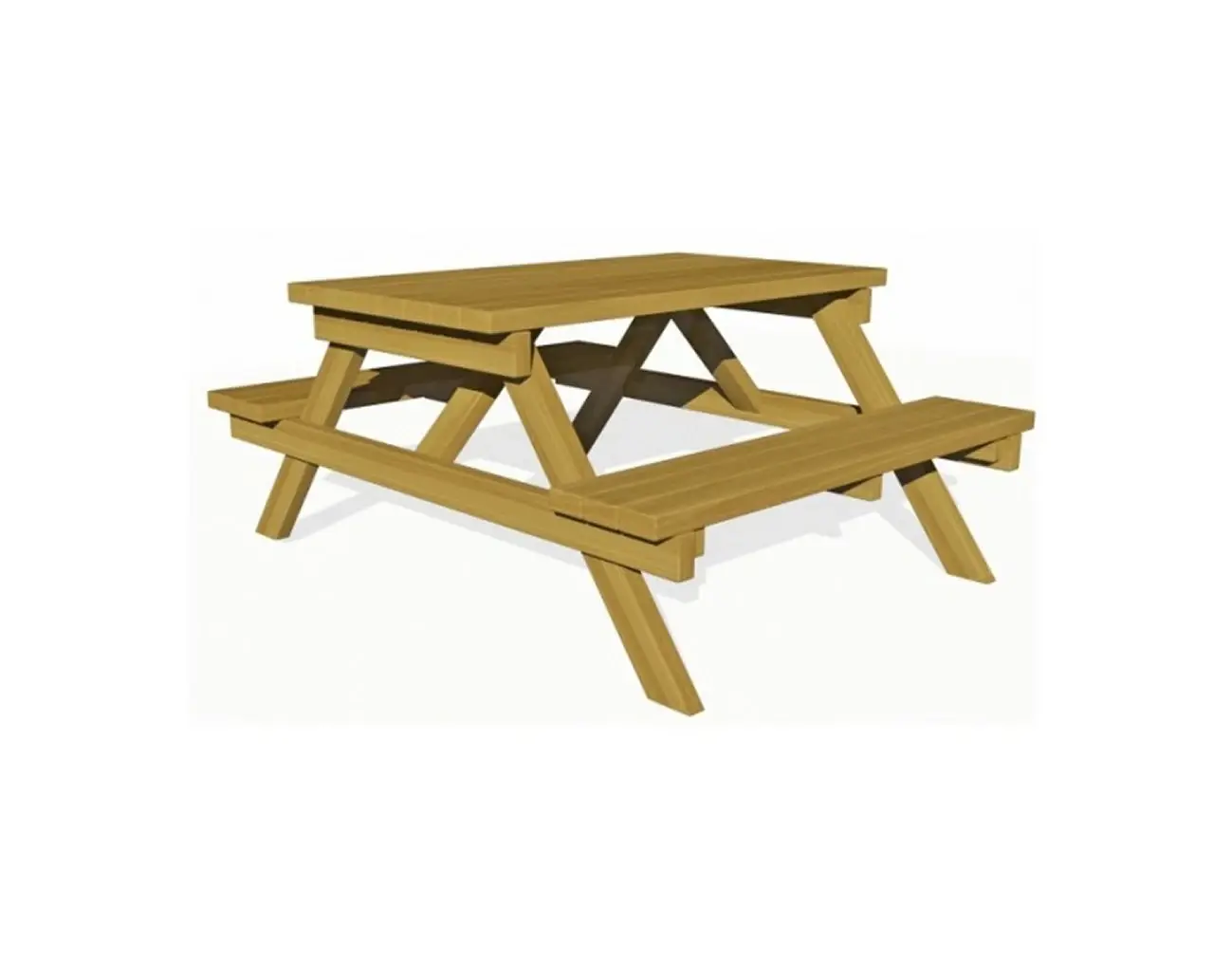
Picnic Tables
KNT 35 Picnic Table
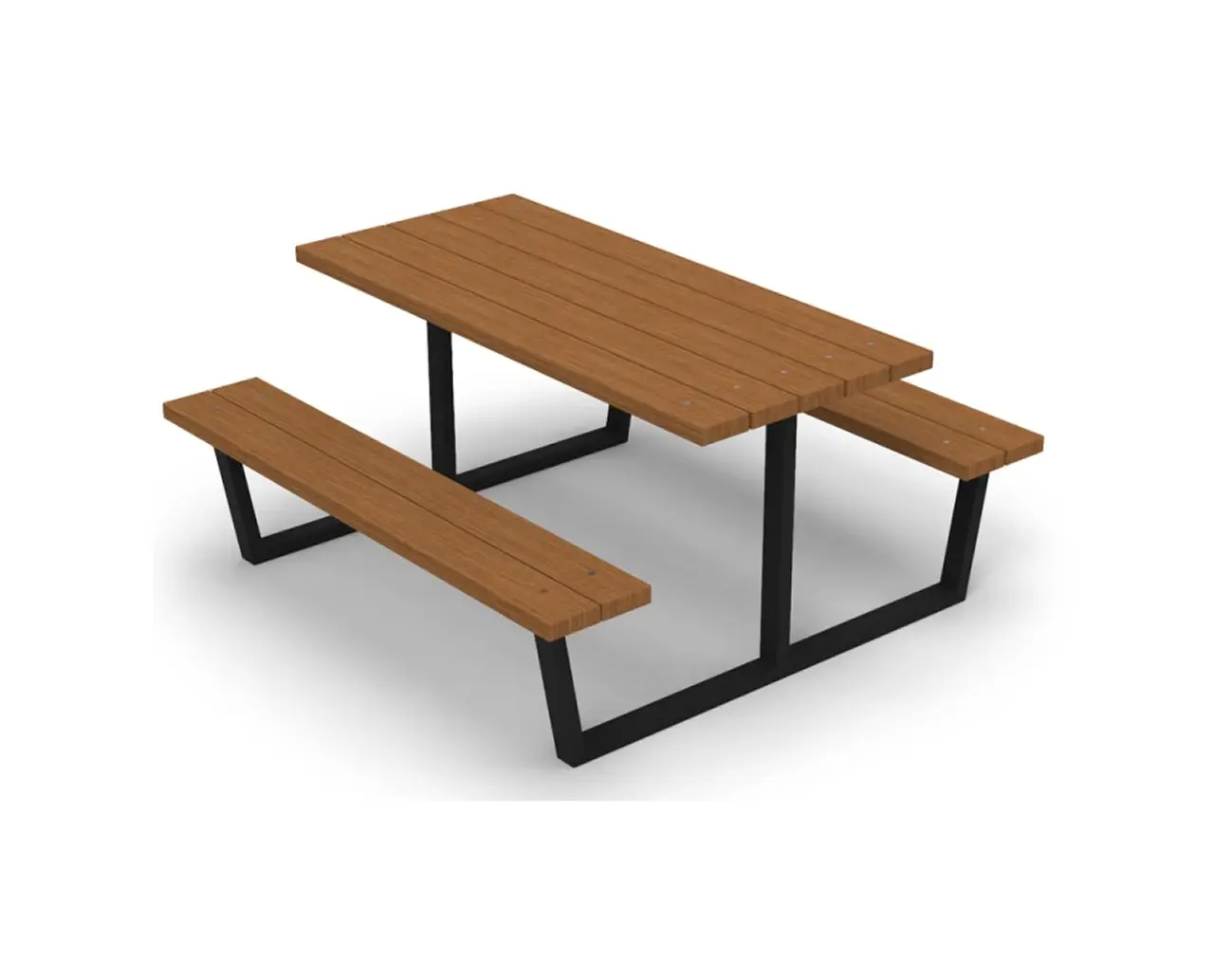
Picnic Tables
KNT 36 Picnic Table
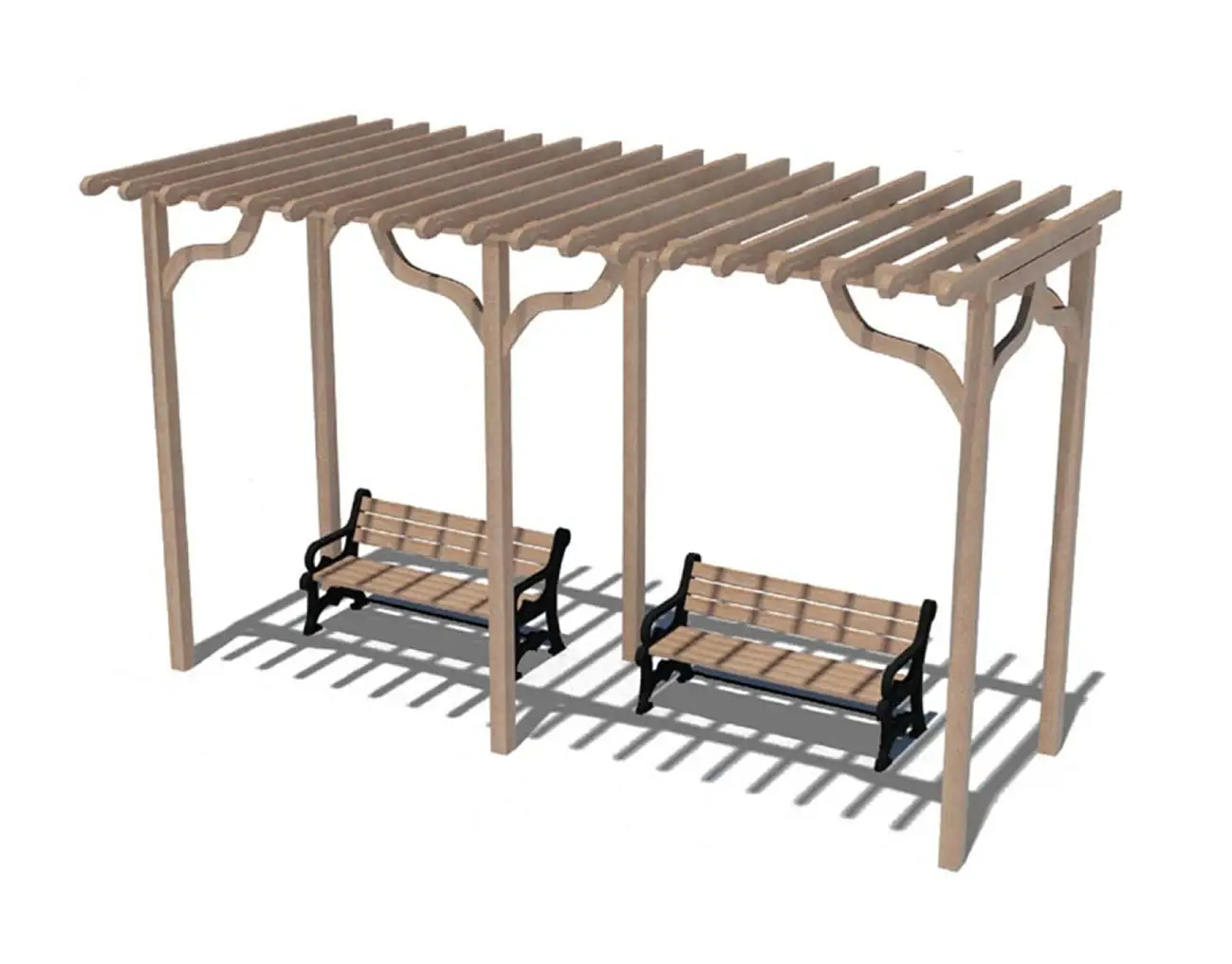
Picnic Tables